
Why preparation matters for a free house valuation
A free house valuation is a starting point, not a guess. The more accurate and complete the information you share, the better your local property expert can assess what buyers will see, value, and compete for in your area. In Tameside, where homes vary in age, layout, and local streets, small details can make a meaningful difference to the valuation outcome.
This checklist is designed to help homeowners and landlords get a clearer picture from the first conversation. It can also make the follow up process smoother, whether you are looking to sell my house Tameside, buy a next home, or plan a sale with a tenant in place.
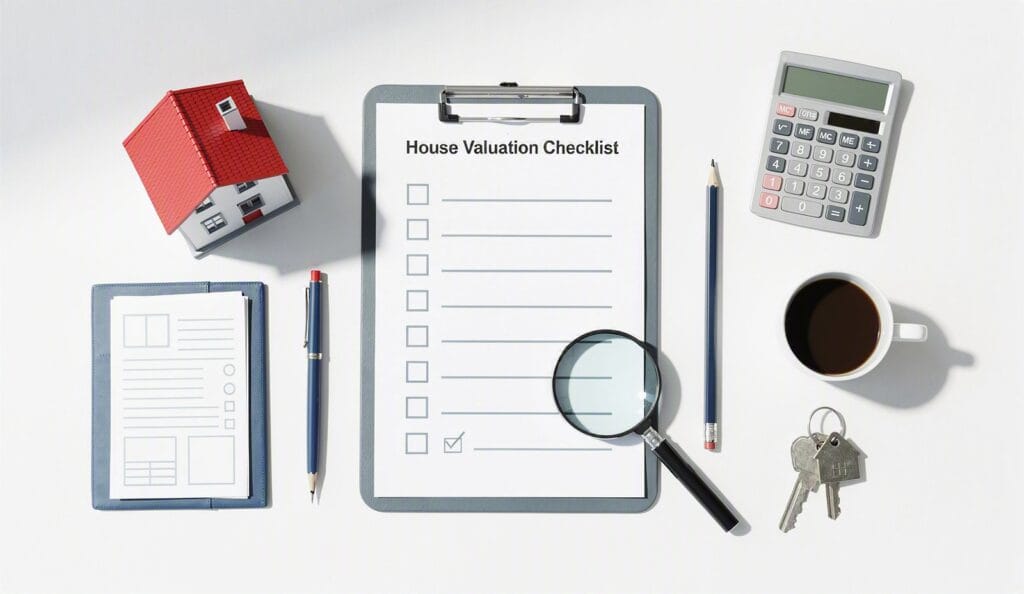
Before you contact an estate agent, gather these key property details
Start with the basics your agent will need to understand the property properly. If you do not know a detail, that is fine, but having it to hand speeds everything up.
1) Property overview
- Full address, including postcode
- Property type (for example, terraced, semi-detached, detached, flat, bungalow)
- Approximate year built, if known
- Number of bedrooms and bathrooms
- Parking details (on street, driveway, garage, allocated space)
- Any outdoor space (garden size, patio, balcony, yard)
2) Recent improvements and maintenance
Buyers often respond to evidence of care and quality. Provide a clear summary of what has been done and when.
- Central heating type and service history, if available
- Double glazing (dates or approximate installation year)
- Roof, guttering, and insulation updates
- Boiler replacement dates
- Kitchen and bathroom upgrades, including any re-plastering or re-wiring linked to renovations
- Flooring updates (for example, engineered wood, laminate, carpets)
- Any damp, condensation, or structural issues that have been resolved, with supporting notes if you have them
3) Layout and measurements you can confirm
You do not need to be a surveyor, but if you have documentation or can check simple items, it helps.
- Is there an extension or loft conversion? If yes, approximate year
- Ceiling heights or unusual features (boxed-in services, sloping ceilings, bay windows)
- Floorplan notes, if you already have them
- Any known limitations (for example, non-standard room shapes)
What to photograph for an accurate valuation
If you are asked to share photos ahead of a valuation visit, quality and coverage matter. Aim for clear, well lit images that show the space honestly, including areas buyers care about most.
Exterior photos
- Front elevation, captured from the same angle you would use on a brochure
- Driveway and parking, if applicable
- Garden and outdoor spaces, including seating areas and fences or boundaries
- Side access routes (if there are any)
- Front and rear door views from both inside and out (if safe to do so)
Interior photos by room
- Living room, including a wide shot that shows layout
- Kitchen, both wide angle and close ups of key areas (worktops, flooring)
- Bedrooms, at least one wide shot per room
- Bathrooms and en suites, including ventilation and extractor fans if visible
- Hallways and stairs, to show flow and space
- Any utility room, WC, or storage rooms
- Windows and natural light, taken in good daylight
Important details that often affect house prices
- Boiler area and heating controls, if visible
- Electrics and consumer unit, only if you can photograph safely
- Condition of ceilings, skirting boards, and visible wall finishes
- Built in features such as wardrobes, wardrobes in bay windows, or original fireplaces
- Under stairs storage (if present)
- Any loft hatch or access point, if you have one
Tip: Keep photos current. If you have recently refreshed a room, include it. If furniture or clutter hides features, clear the view for the camera where possible.
Documents to have ready (especially if you are selling as a landlord)
Some documents do not need to be shared immediately, but having them prepared can reduce delays later, particularly where buyers and solicitors want clarity.
- Proof of ownership or landlord details (as required by the agent)
- Gas safety record (for rented properties)
- Energy Performance Certificate (EPC) if you have one to hand
- Any guarantees for improvements (new windows, roof work, damp proofing)
- Planning permissions or building control certificates for extensions and conversions
- Electrical safety documentation (if applicable and available)
- Receipts or schedules of works for major renovations
Local factors you should be transparent about
Your agent will use your information to guide the valuation properly. If something could affect buyer confidence, it is better to address it early.
- Any ongoing disputes, access issues, or boundary uncertainties
- Known maintenance needs (for example, minor cosmetic work or repairs)
- Items included in the sale, such as fitted appliances, curtains, blinds, or carpets
- Whether the property is offered with vacant possession or with tenants in situ
- Any recent changes in the property, such as a tenant leaving or rooms being redecorated
How to make the most of your valuation appointment
When the valuation is carried out, you can help by making key areas easy to access and by being ready to answer questions clearly.
- Have a quick list of upgrades with approximate dates
- Share a timeline of any major works (especially extensions and re-wiring)
- Confirm which rooms are currently used and how you have adapted the space
- Be ready to discuss parking, garden access, and any maintenance planning
If you are exploring options with an independent estate agent across the Tameside area, preparation also helps you compare recommendations with confidence, including marketing approaches such as detailed floorplans and 3D floorplans property marketing, where appropriate.
Next steps: request your free house valuation in Tameside
If you are planning to sell a home in Stalybridge, Hyde, Ashton-under-Lyne, Mossley, Dukinfield, Denton, Droylsden, or across the wider Tameside area, start by collecting the information above. You will give your agent a stronger basis for a valuation and you will receive clearer guidance from the outset.
Ready when you are. Request your free house valuation and share your checklist so your local property experts can focus on what matters most to buyers in your area.